Why Squats Matter for Leg Strength and Long-Term Health
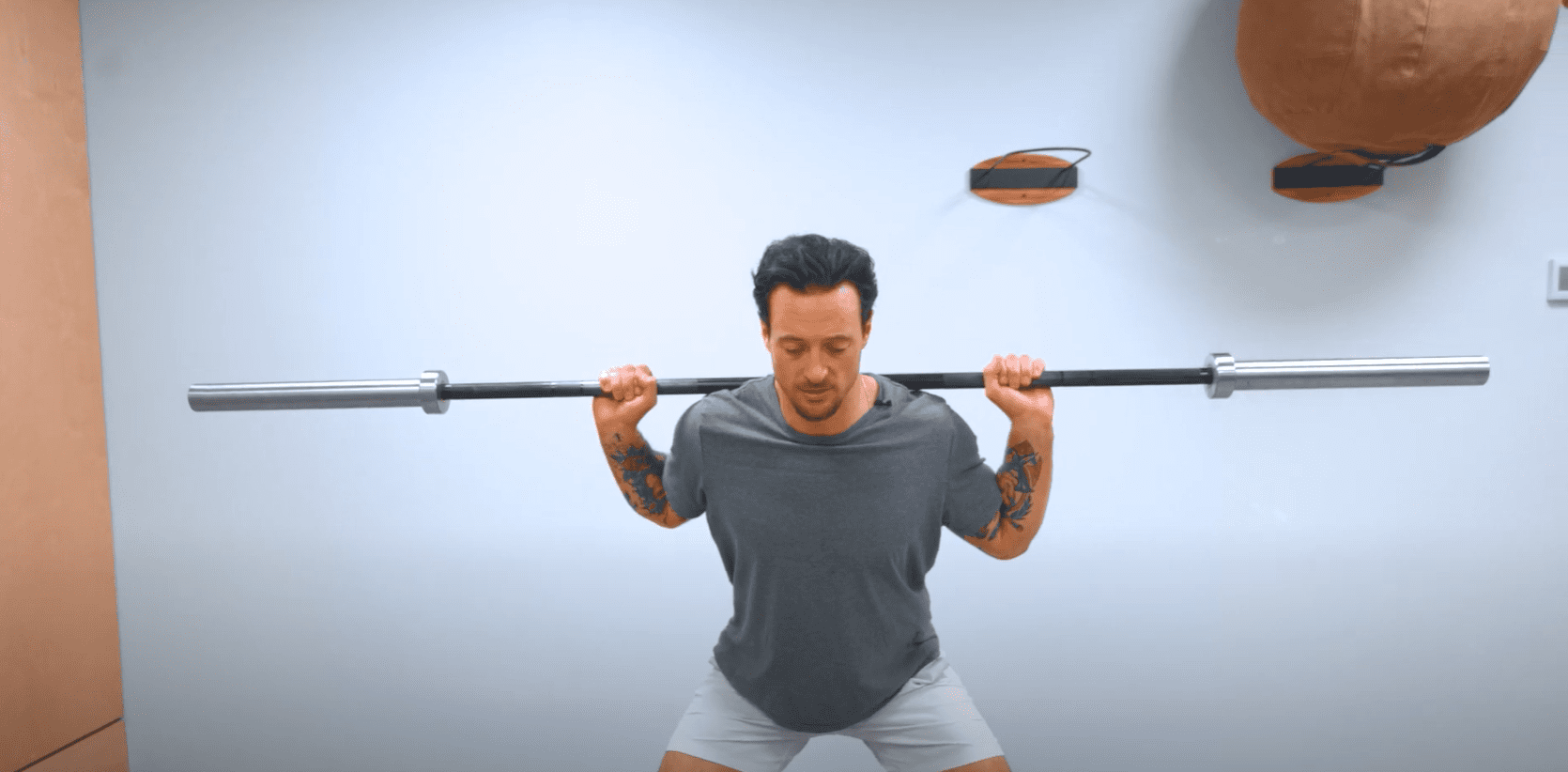
Squats are one of the most functional, foundational movements in human biomechanics. Whether you’re an athlete, gym-goer, or someone simply aiming to move better, mastering your squat form is crucial for:
-
Building lower body strength
-
Enhancing hip, knee, and ankle mobility
-
Preventing injury and chronic pain
-
Improving posture and stability in daily life
Unfortunately, many people experience discomfort. Especially in the knees, hips, or lower back when squatting. That’s where physiotherapy and rehabilitation-focused exercise play a pivotal role.
Understanding Squat Mechanics: A Breakdown of Key Muscles and Joints
Before we jump into movement-specific corrections, let’s review what a proper squat targets anatomically:
Primary Muscles Worked in a Squat:
-
Quadriceps – crucial for knee extension
-
Gluteus Maximus & Medius – primary drivers of hip extension and external rotation
-
Hamstrings – assist in hip extension and stabilize the knee
-
Calves (Gastrocnemius & Soleus) – important for ankle stability
-
Core & Erector Spinae – maintain trunk stability and posture
When dysfunction exists in one area (e.g., tight hips or weak feet), compensation can shift to another, leading to breakdowns in the kinetic chain.
Watch: Master Your Squat — Back, Front & Goblet Squats Explained
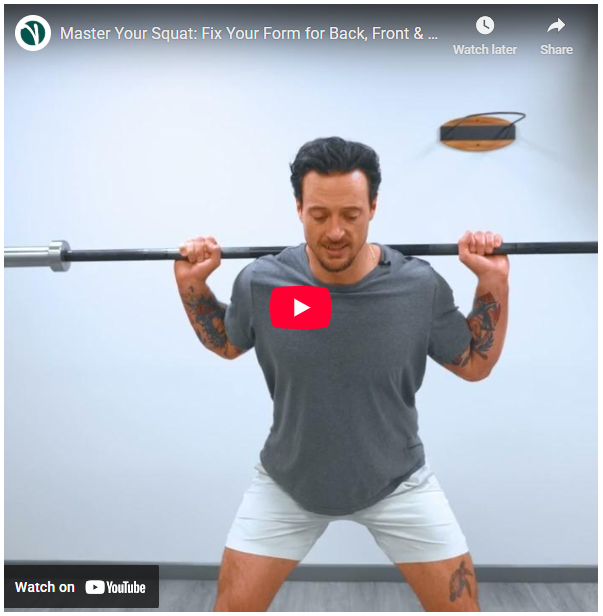
In this video, we dive into the three main squat variations and how they load your body differently:
-
Back Squat – emphasizes glutes and lower back; requires good thoracic extension and hip mobility
-
Front Squat – targets quads more; demands strong core and upright torso
-
Goblet Squat – great for beginners and mobility work
Clinical Insight: According to Physio Network, improving thoracic extension and ankle dorsiflexion directly correlates with improved squat depth and reduced lumbar compensation.
The Foundation of Squatting: Why Foot Strength is Non-Negotiable
The feet are your base. Without proper foot mechanics and strength, your squat will suffer—often leading to knee valgus, lower back pain, or poor depth.
🎥 Watch: Foot Rehab & Strengthening for Better Squats
Calf Raise | Yoga Squat | Toe Crunches
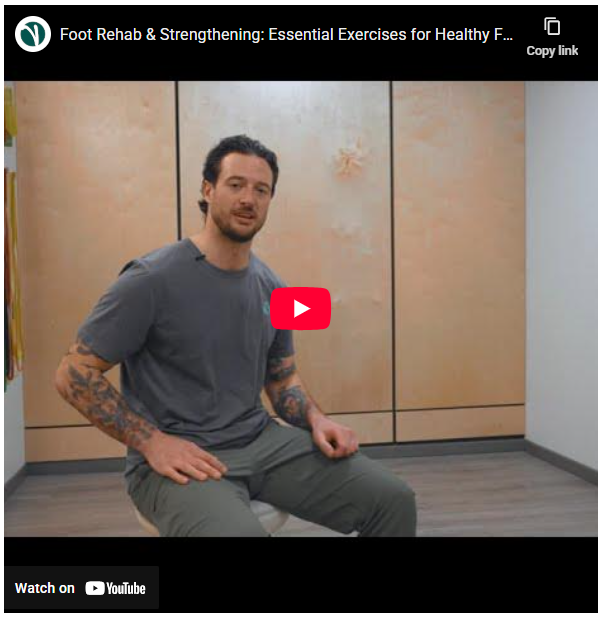
Key Muscles: Intrinsic foot muscles, Tibialis Posterior, Gastrocnemius/Soleus
Why It Matters: Stable feet = stable knees and hips. Strong foot control reduces compensatory movement patterns in the kinetic chain.
Goblet Cyclist Squats: The Ultimate Quad Builder & Posture Enhancer
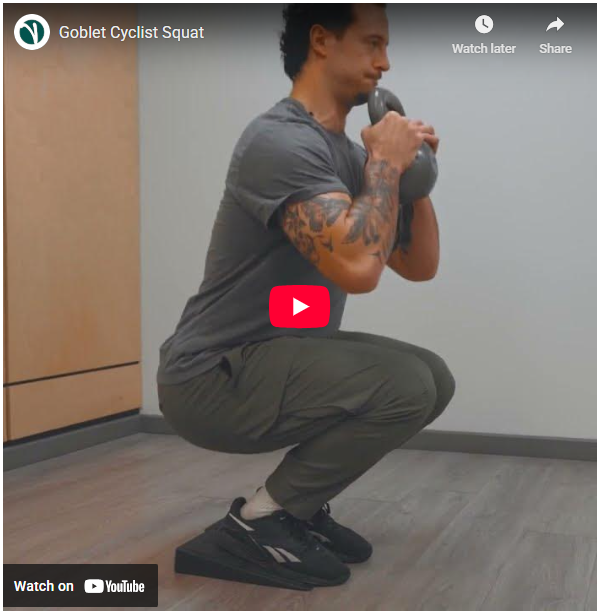
The Goblet Cyclist Squat is a fantastic tool for athletes and rehab patients alike. With heels elevated and a vertical torso, this movement isolates the quads while improving core activation.
Caution: Watch for excessive forward knee travel or lack of glute engagement. A physiotherapist can help identify improper loading patterns.
Bonus Insight: Marcus Filly, a leader in functional bodybuilding, advocates for this movement to bridge rehab and performance, particularly in his article on “Functional Isolation for Bulletproof Knees.”
Progressive Leg Strength: Mastering the Knees Over Toes Split Squat
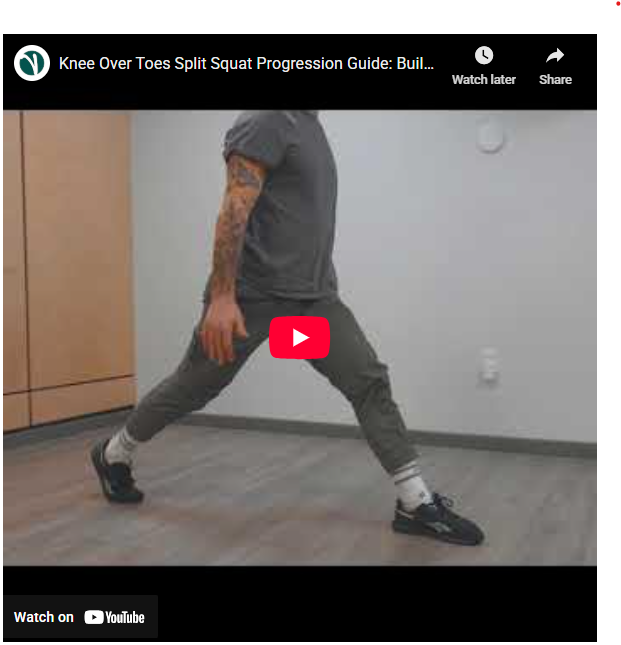
The Knees Over Toes Split Squat is a progressive rehab tool to improve anterior chain strength, balance, and knee resilience. It’s also scalable for beginners.
Why Physiotherapists Love It:
This movement strengthens the VMO (vastus medialis oblique), a key stabilizer of the patella. It’s particularly helpful for clients recovering from patellar tracking issues or general knee pain.
Relieve Knee Pain With the Double Lacrosse Ball Hip Release
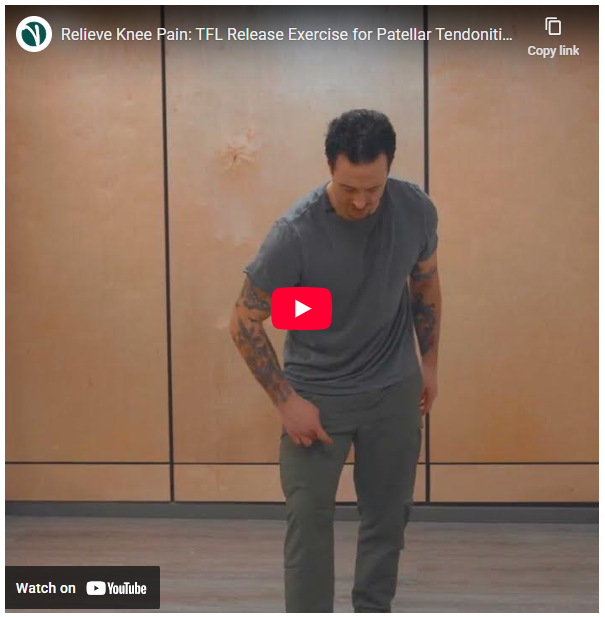
Tightness in the Tensor Fasciae Latae (TFL) can pull on the IT band and destabilize the knee. This myofascial release targets the outer hip, freeing up movement and reducing compensations down the leg.
How to Use It in Practice:
-
Roll with an active leg to stimulate neuromuscular release
-
Pair with mobility drills for long-term changes
-
Always follow up with strengthening to lock in gains
Common Squatting Mistakes & How Physiotherapy Helps
❌ Common Issues:
-
Collapsing knees (valgus)
-
Over-arching the back
-
Heels lifting off the floor
-
Poor depth due to hip or ankle restrictions
✅ How Physio Can Help:
-
Assess joint restrictions (hip impingement, limited dorsiflexion)
-
Design individualized corrective exercises
-
Integrate soft tissue therapy and mobility work
-
Create progressive loading plans to avoid reinjury
According to a Physio Network review, physiotherapy-guided squat assessments can identify the root cause of dysfunction more effectively than exercise alone.
The Revamp Approach: Integrated Rehab, Strength & Education
At Revamp Wellness, our physiotherapists work one-on-one with clients to not just treat pain—but optimize function. Whether you’re dealing with a nagging knee issue, recovering from an injury, or simply want to move better and squat deeper, we’ve got a plan tailored to you.
Final Thoughts: Strong Legs Start from the Ground Up
Squatting isn’t just about moving weight—it’s about moving well. With the right guidance, targeted rehab, and a strong foundation, you can unlock a pain-free, powerful squat that supports everything from athletic performance to everyday life.
👉 Ready to take your squat to the next level?
Book an assessment with one of our physiotherapists today and start your journey to stronger, healthier legs.
References:
-
Physio Network – Squat Assessment: Identifying Mobility & Strength Deficits
-
Marcus Filly – Functional Bodybuilding for Joint Health
-
Physiopedia – Lower Extremity Biomechanics and Injury Prevention
